
A traditional classic cottage has enduring appeal because it feels warm, simple, and reassuringly familiar. Its charm comes from thoughtful proportions, honest materials, and rooms designed for everyday comfort rather than display. This is not a style that depends on filling every surface with antique-looking decor; a few well-chosen architectural and decorative details can establish the mood.
Whether you are renovating an older home or bringing cottage character to a newer one, begin by considering the exterior form, material palette, colors, room flow, furnishings, and storage needs together. The following ideas offer a practical framework for creating a home that feels timeless while still supporting contemporary life.
Defining Features of Traditional Classic Cottage Design
The most convincing cottage design begins with a welcoming scale and balanced proportions. Simple pitched rooflines, modest massing, and handcrafted-looking details give the house an approachable presence. Divided-light windows, painted wood trim, a paneled front door, and a small front porch can all reinforce this identity when they relate naturally to the home’s shape and scale.
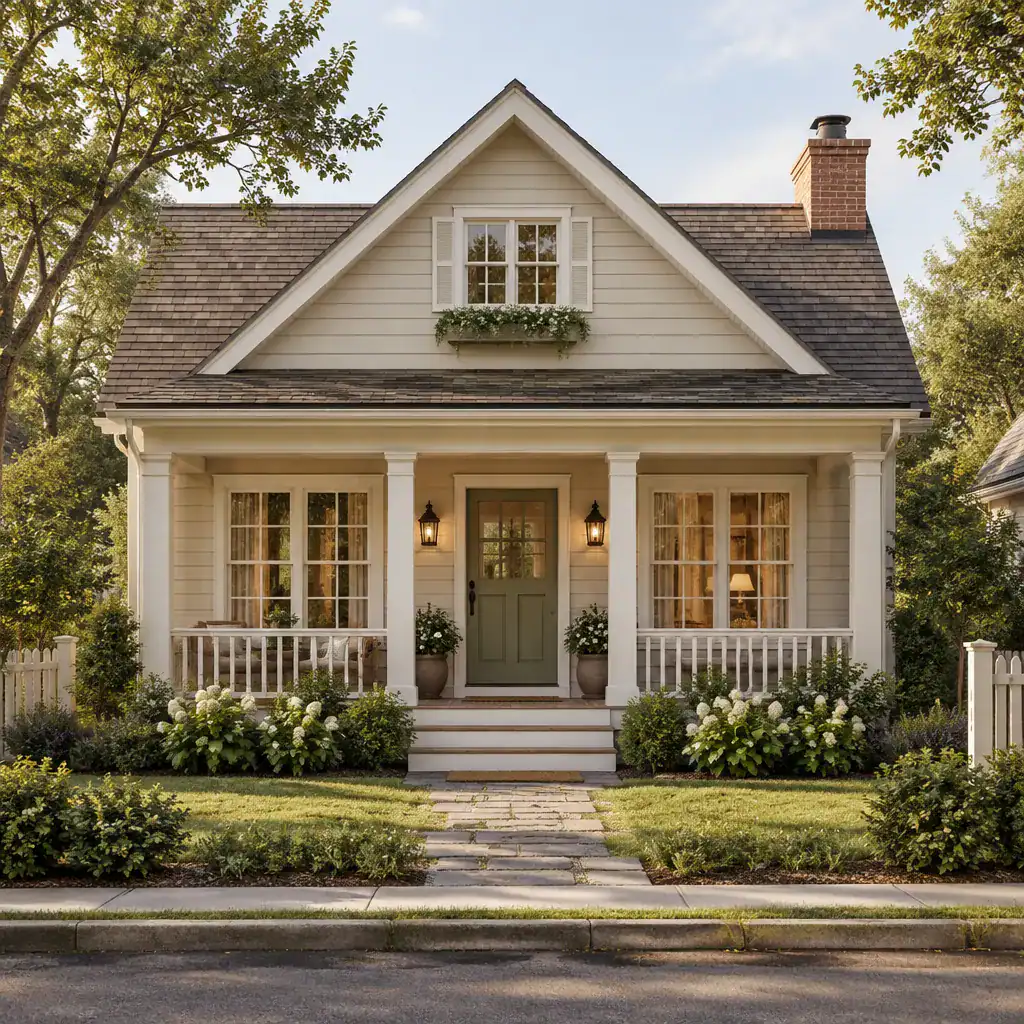
Roof materials, shutters, door hardware, and trim should work as a coordinated composition rather than as separate decorative additions. A shingle or slate-like roof finish, restrained shutters where they suit the window proportions, and simple porch posts can create a familiar cottage expression without becoming ornate. The goal is neither a rough cabin nor a heavily decorated period imitation; it is a calm, lived-in home with clear architectural order.
Carry the same design language indoors. If the exterior uses traditional trim, soft colors, and natural materials, the interior should echo that restraint through practical millwork, comfortable furniture, and warm finishes. This connection makes a traditional classic cottage feel intentional from the front path to the most private rooms.
Choosing Materials and Exterior Details for Cottage Character
Material choices strongly influence whether a cottage feels authentic and lasting. Painted wood siding offers softness and detail, while brick, stone, shingles, and textured plaster add depth and visual weight. A house does not need every material at once; one primary finish supported by one or two complementary accents usually creates a more convincing facade.
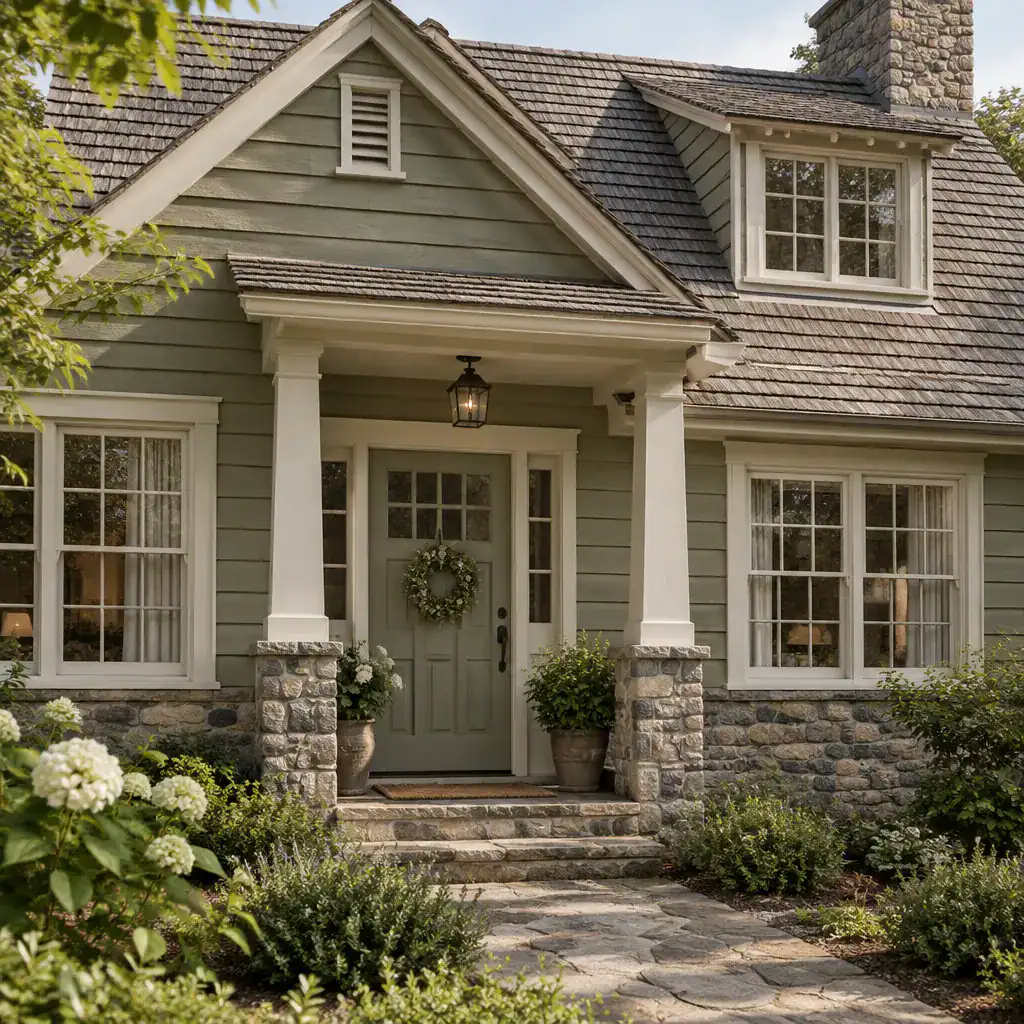
Coordinate siding with roofing, window trim, doors, porch flooring, and railings before making final selections. For example, painted siding can be paired with a darker roof, light trim, a wood or painted paneled door, and a modest stone base. Repeating a finish or color in several locations helps the exterior look settled instead of pieced together.
Practical evaluation matters as much as appearance. Consider local weather, sun exposure, moisture, maintenance expectations, and how a proposed finish meets the existing structure. Durable materials with a naturally tactile quality often age more gracefully than overly glossy or highly elaborate finishes. Keep trim profiles, brackets, and porch details restrained so the facade remains clear rather than visually crowded.
Building a Warm and Balanced Cottage Interior
A warm cottage interior relies on a calm, connected palette. Soft whites, warm creams, muted greens, dusty blues, gentle clay tones, and weathered wood shades can provide character without making rooms feel dark or overly themed. Use related colors across adjoining spaces so the house has a natural visual flow.
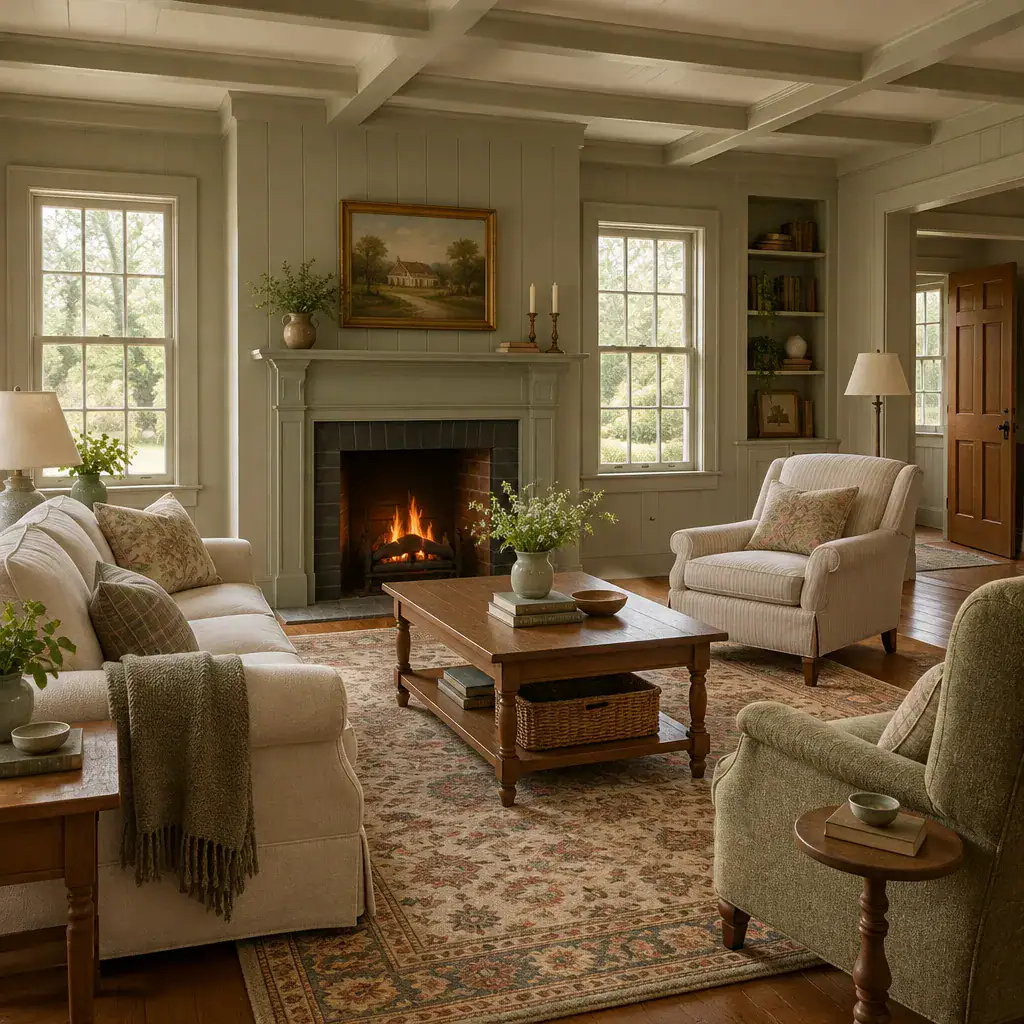
Layer natural textures through timber, painted paneling, classic cabinetry, woven rugs, linen, wool, and subtle patterned fabrics. These elements provide richness when used in measured amounts. A patterned cushion, a timber table, and a textured rug can add more warmth than an excessive collection of accessories. The most comfortable rooms allow the eye to rest between decorative moments.
Plan the room around daily use before styling it. Preserve clear circulation paths, place storage where it is easy to reach, and make the most of daylight from existing windows. In a traditional classic cottage, a window seat, built-in cabinet, or compact pantry can be as important to the atmosphere as a fireplace or decorative fabric because practical comfort is part of the style.
Selecting Furniture, Lighting, and Decor That Support the Style
Choose furniture with comfortable proportions, recognizable traditional silhouettes, and useful function. A linen-upholstered sofa, painted wood side table, spindle-back dining chairs, or an uncomplicated wooden bed can suit cottage rooms without making them feel like a museum. Materials should complement the architecture, with wood, natural fibers, aged-looking metal, and upholstery adding a sense of ease.
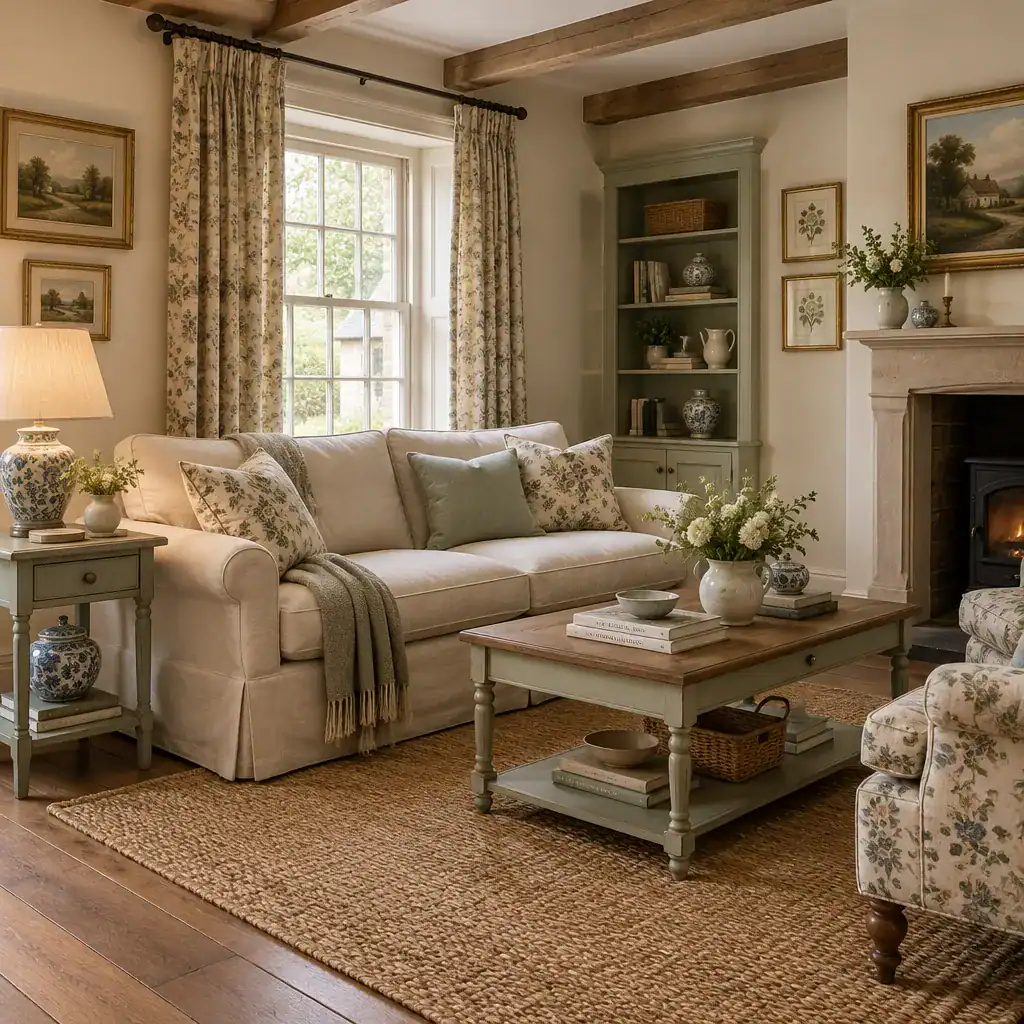
Vintage-inspired pieces can sit successfully beside simpler contemporary items when their scale and finishes feel compatible. For instance, a modern reading chair in neutral upholstery may work beside an older-style cabinet if both support the room’s relaxed, enduring character. Avoid buying every item from one themed collection; a home feels more personal when furnishings have variation but share an underlying visual language.
Layer lighting for different needs. Ambient fixtures establish general illumination, table and floor lamps support reading and conversation, and smaller decorative lights add evening warmth. Select fixtures suited to the room’s scale, such as a modest pendant over a dining table or a shaded lamp on a side table. Finish with textiles, framed artwork, ceramics, mirrors, and accessories chosen selectively. A traditional classic cottage should feel collected over time, not crowded with props.
Planning a Cohesive Traditional Cottage Without Making It Feel Dated
Whole-home cohesion comes from repeating a limited set of colors, wood tones, metal finishes, and textile patterns across connected rooms. Repetition does not mean that every room must match exactly. Instead, let a muted wall color reappear in a rug, use related timber tones in the kitchen and living area, or continue one metal finish through door hardware and lighting.
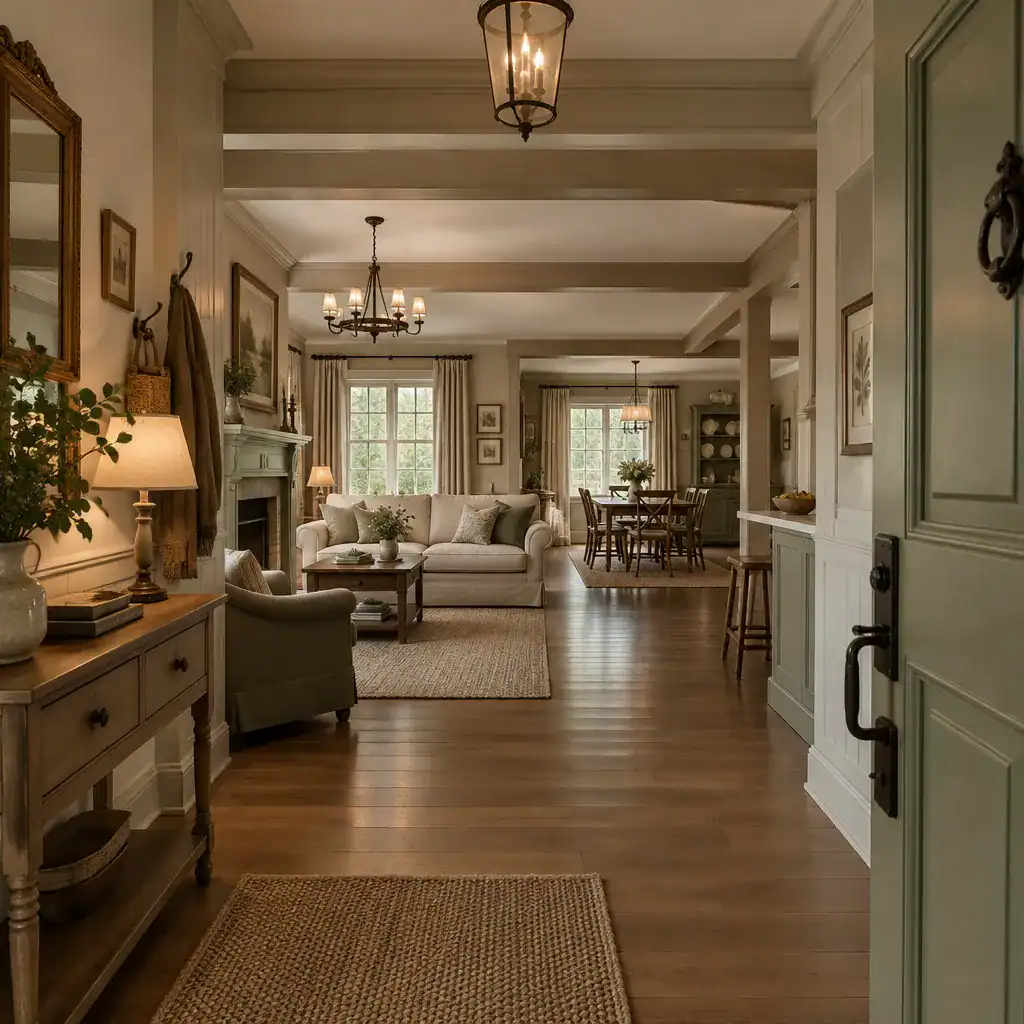
Preserve distinctive original features whenever possible, especially useful trim, old doors, floorboards, fireplaces, or cabinetry with sound construction. At the same time, update what affects comfort and function, including lighting quality, storage capacity, durable work surfaces, and flexible furniture arrangements. These improvements allow traditional references to serve current routines rather than becoming a limitation.
Use a simple room-by-room check before introducing each new element: does its color relate to the palette, does its material suit the existing finishes, is its scale appropriate, and does it improve the room’s function or atmosphere? This approach prevents unrelated purchases from weakening the design. A cohesive traditional classic cottage can feel current because it prioritizes comfort, thoughtful editing, and personal use over nostalgia alone.
Traditional cottage design is ultimately built on proportion, material harmony, warmth, and practical comfort. Start with the architectural character already present in the home, then develop the palette, furnishings, and decorative details around that foundation. A restrained, consistent approach will create more lasting charm than trying to add every traditional feature at once.