
Cottage design is less about copying a single historical look and more about creating a home that feels welcoming, comfortable, and naturally connected to its setting. Its character can be shaped by the architecture, exterior finishes, entry experience, interior atmosphere, and the landscape around the home. Whether your cottage is a small original structure, a newer home with cottage-inspired features, or a renovation project, the strongest result comes from making these elements feel related.
A successful cottage often balances charm with everyday function. The exterior should feel approachable, the rooms should support relaxed living, and decorative details should add warmth without making the home feel crowded or overly themed. Start by identifying the mood you want to create, such as garden cottage, coastal cottage, rustic country cottage, or a softer modern interpretation. From there, you can establish the exterior character, select adaptable ideas, and prioritize improvements that fit your budget.
Cottage Design Exterior
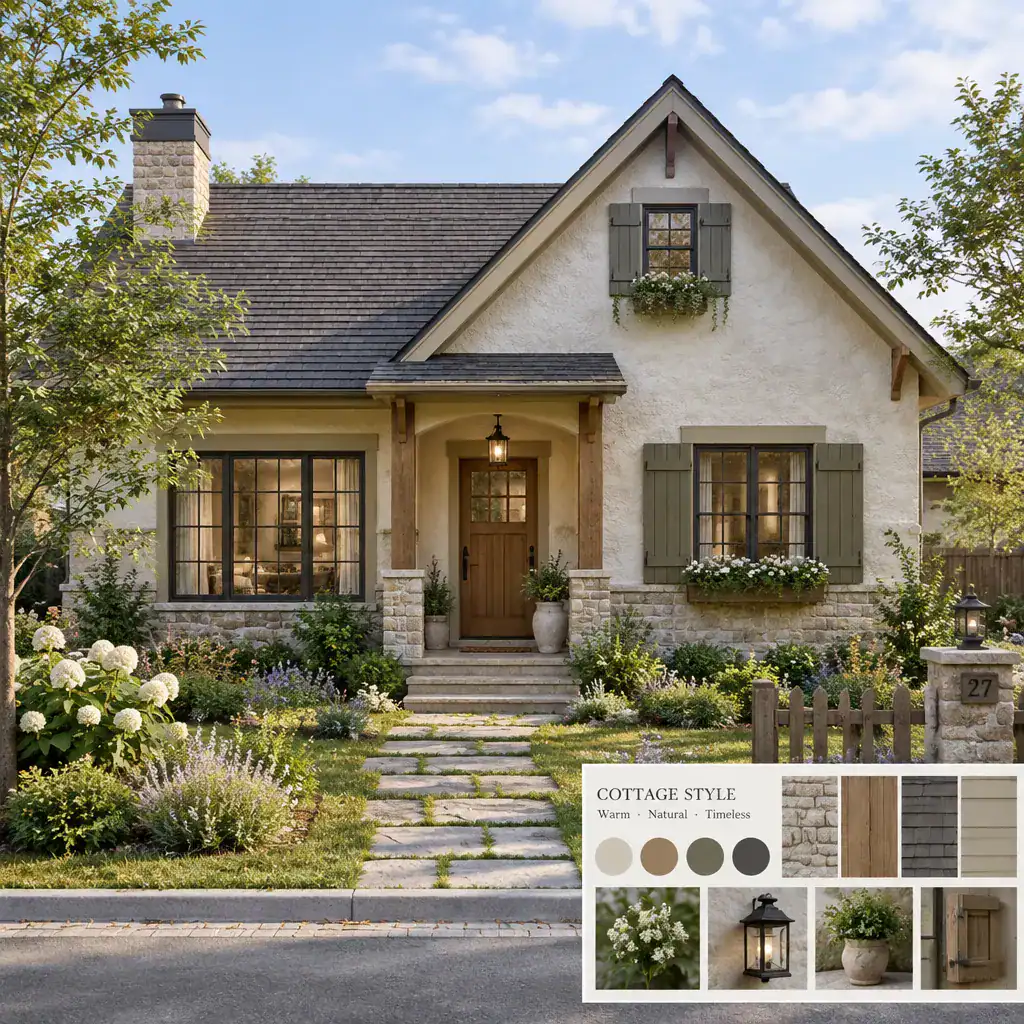
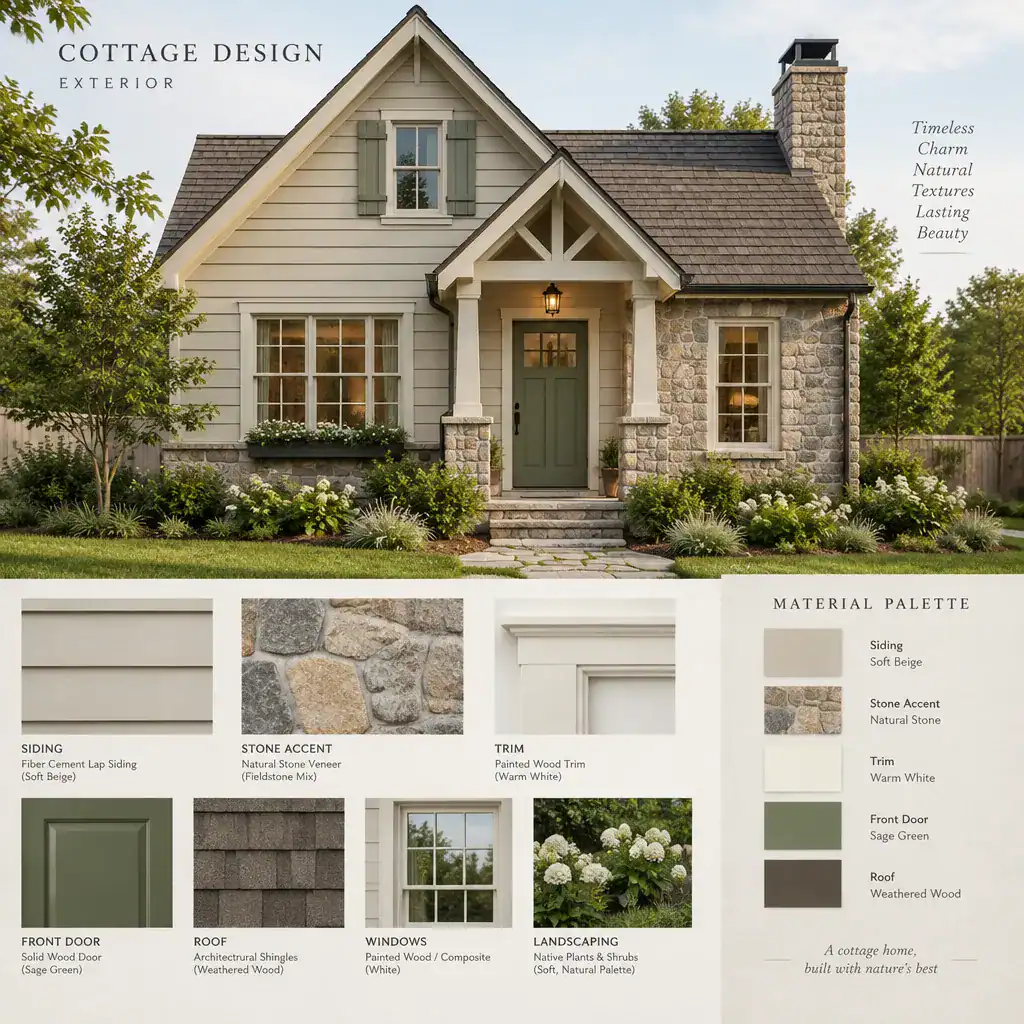
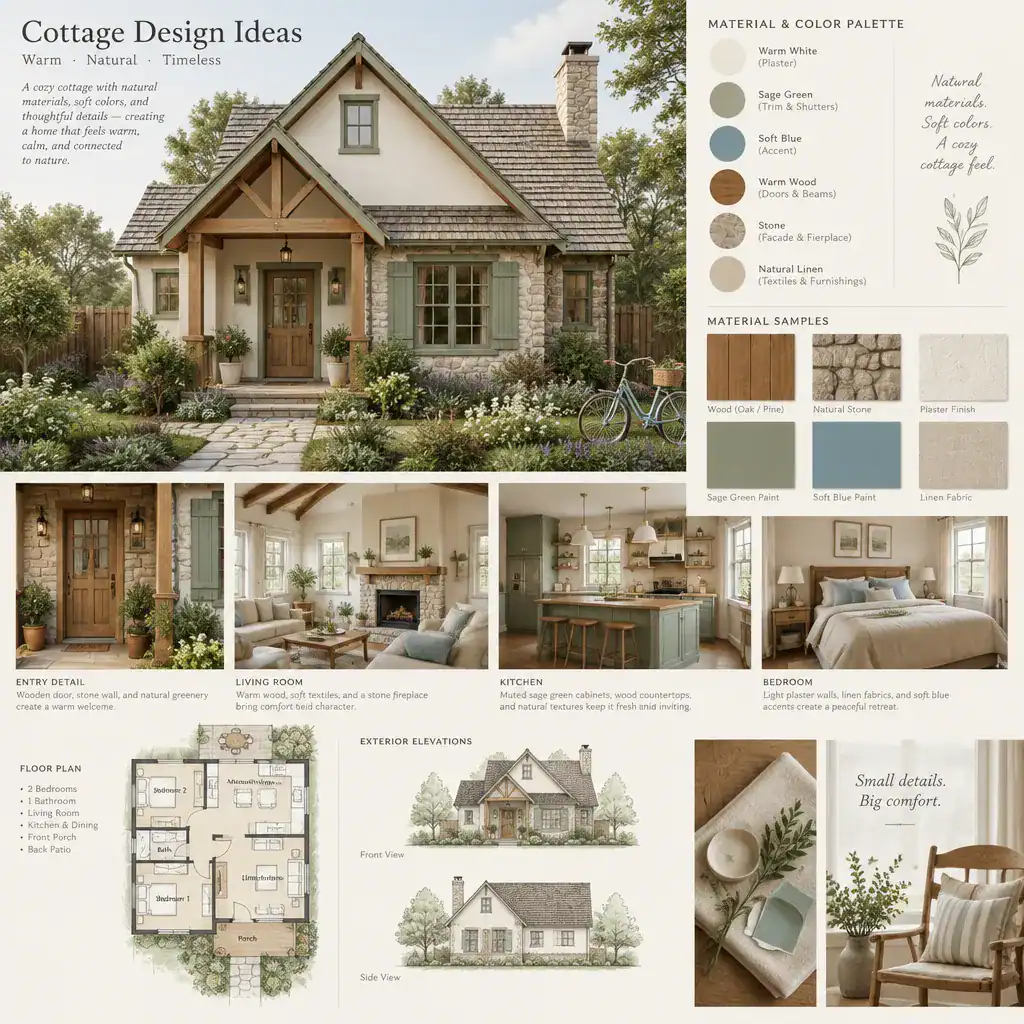
The exterior creates the first impression of cottage design, so it helps to begin with the parts of the home that establish its overall character. Approachable proportions, a visible front entrance, a pleasing roof form, and thoughtfully placed windows can make a home feel inviting before any decorative features are added. Even a simple façade can gain cottage appeal when its major elements work together.
Choose a restrained combination of materials and colors rather than introducing too many competing finishes. Painted siding, natural wood, brick, stone, or masonry accents can all support a cottage look when they suit the existing architecture and local setting. Soft neutrals, muted greens, warm whites, dusty blues, and earthy tones can feel relaxed, while darker trim or a painted front door may provide definition. The goal is not to make every feature stand out, but to create a coordinated composition.
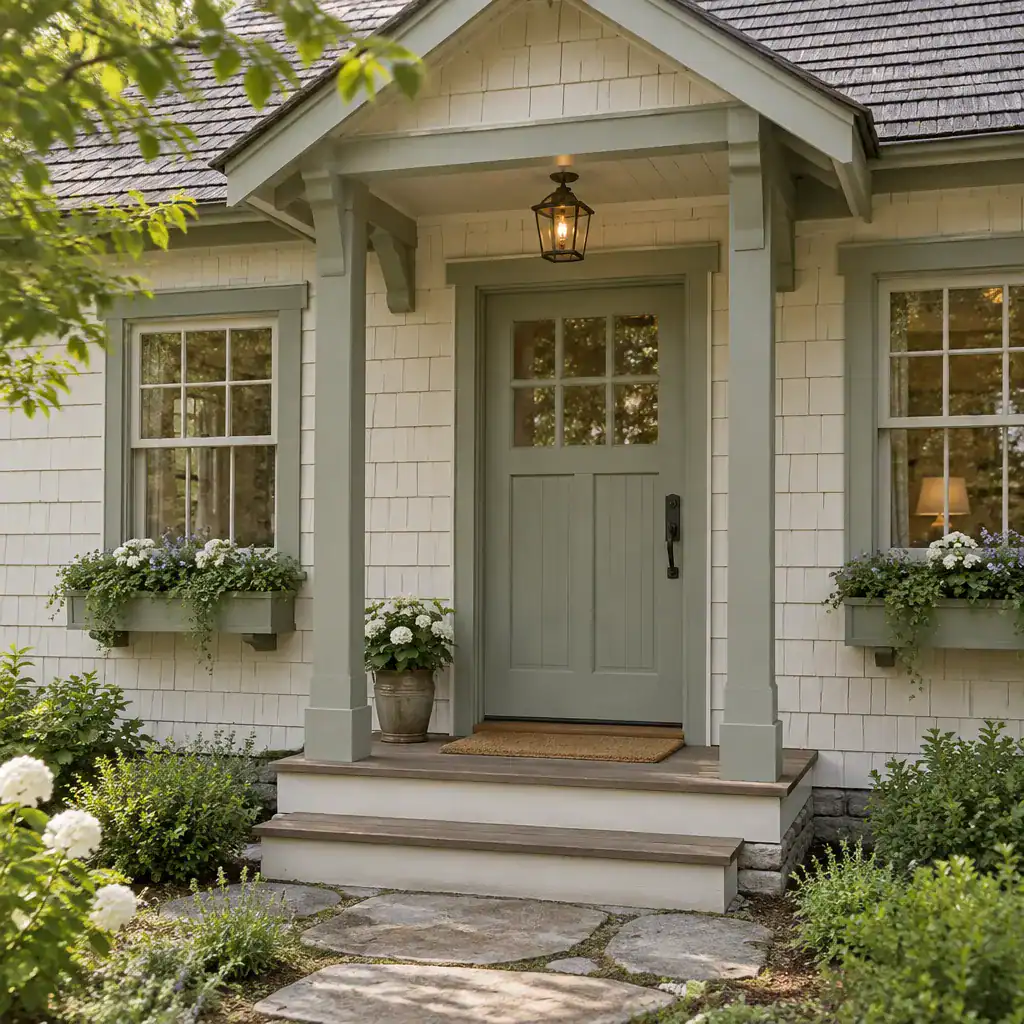
The entrance deserves particular attention because it gives the home a clear focal point. A simple porch, covered stoop, painted door, traditional-style hardware, planters, or a modest bench can make an entry feel more personal. Paths, planting beds, porch railings, shutters, trim, and exterior lighting should support the home’s form rather than compete with it. A garden path that leads naturally to the door and planting that softens the foundation can make the cottage feel connected to its surroundings.
Once the exterior character feels established, you can select cottage design ideas that repeat its materials, tones, and welcoming sense of scale indoors and outdoors.
Cottage Design Ideas
Cottage design ideas work best when they build on a clear direction instead of adding unrelated decorative features. Begin with the spaces people notice and use most often: the entry, living room, kitchen, dining area, bedroom, and outdoor sitting spaces. A welcoming entry with a durable mat, useful storage, soft lighting, and a small surface for daily essentials can set the tone for the rest of the home.
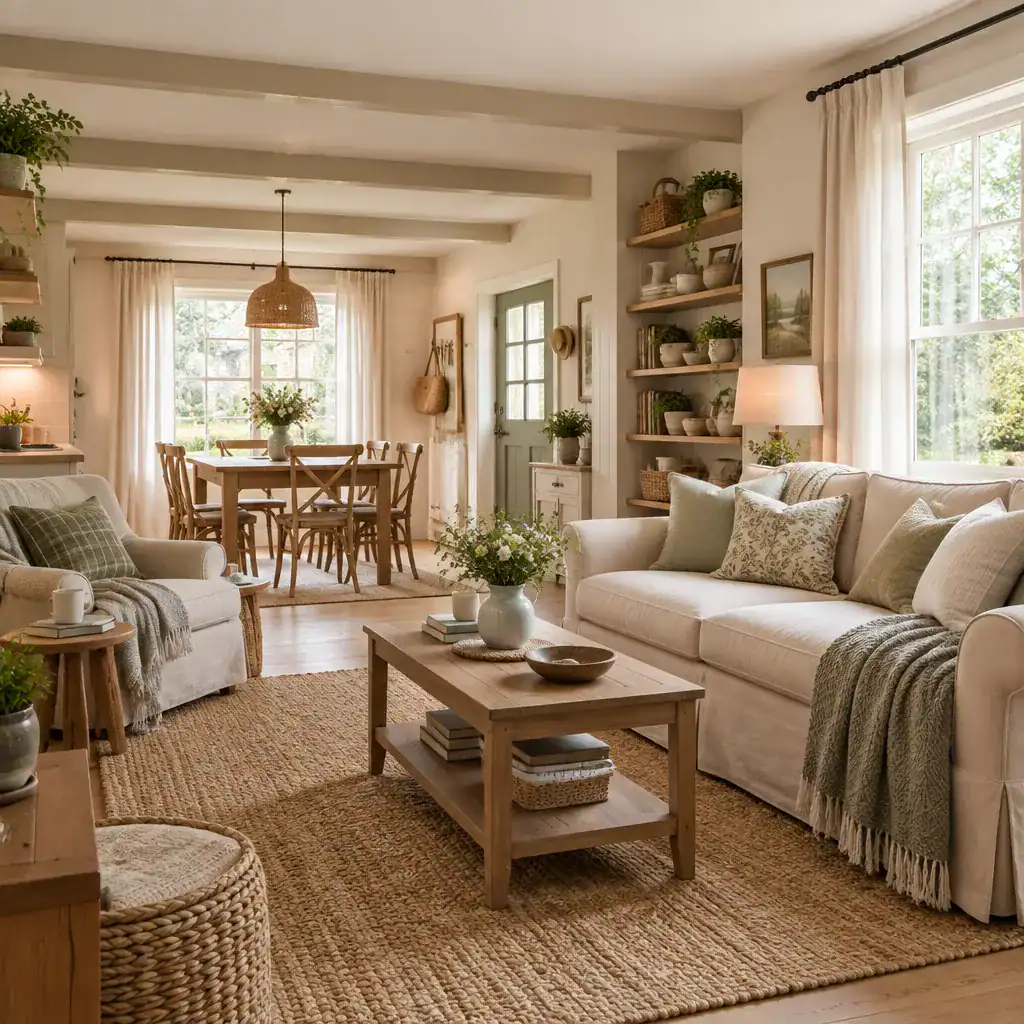
Natural-looking materials give cottage interiors much of their warmth. Wood furniture, woven baskets, linen or cotton textiles, ceramic accessories, stone accents, and aged metal finishes can introduce texture without requiring a highly styled room. Layer these materials carefully. For example, a painted wood table, woven chair seat, soft curtain panels, and a simple ceramic lamp can create interest while maintaining a calm, lived-in feeling.
Comfortable furnishings are equally important. Freestanding pieces with relaxed shapes, built-in window seating, open shelving, and practical storage can make rooms feel useful as well as charming. Choose furniture that fits the scale of the room, especially in smaller cottages where oversized pieces can make circulation difficult. Soft cushions, throws, rugs, and upholstered seating can add comfort and color in ways that are easy to refresh over time.
Color and pattern should feel collected rather than overly matched. A limited palette drawn from the exterior, garden, or surrounding landscape can tie the home together. You might repeat a muted door color in a pillow, a trim tone in cabinetry, or a warm brick shade in textiles. Small-scale florals, checks, stripes, and botanical patterns can add personality, but they are most effective when balanced with quieter surfaces.
Lighting can reinforce the relaxed cottage atmosphere. Use a mix of ambient, task, and accent lighting instead of relying on one bright ceiling fixture. Table lamps, wall lights, shaded pendants, and warm outdoor fixtures can make rooms and porches feel more inviting in the evening. Vintage-inspired elements, such as an aged mirror, repurposed cabinet, antique-style hardware, or framed botanical print, can add character when mixed with practical contemporary pieces.
Indoor and outdoor spaces should also feel connected. Repeating a wood tone, planting color, stone accent, or fabric palette between a porch, garden, and interior room can make the entire property feel more unified. The right choices will depend on your home’s architecture, climate, maintenance needs, and personal preferences. If you are working in stages, focus first on ideas that improve visible areas and daily comfort without requiring major structural changes.
Low Cost Cottage Design
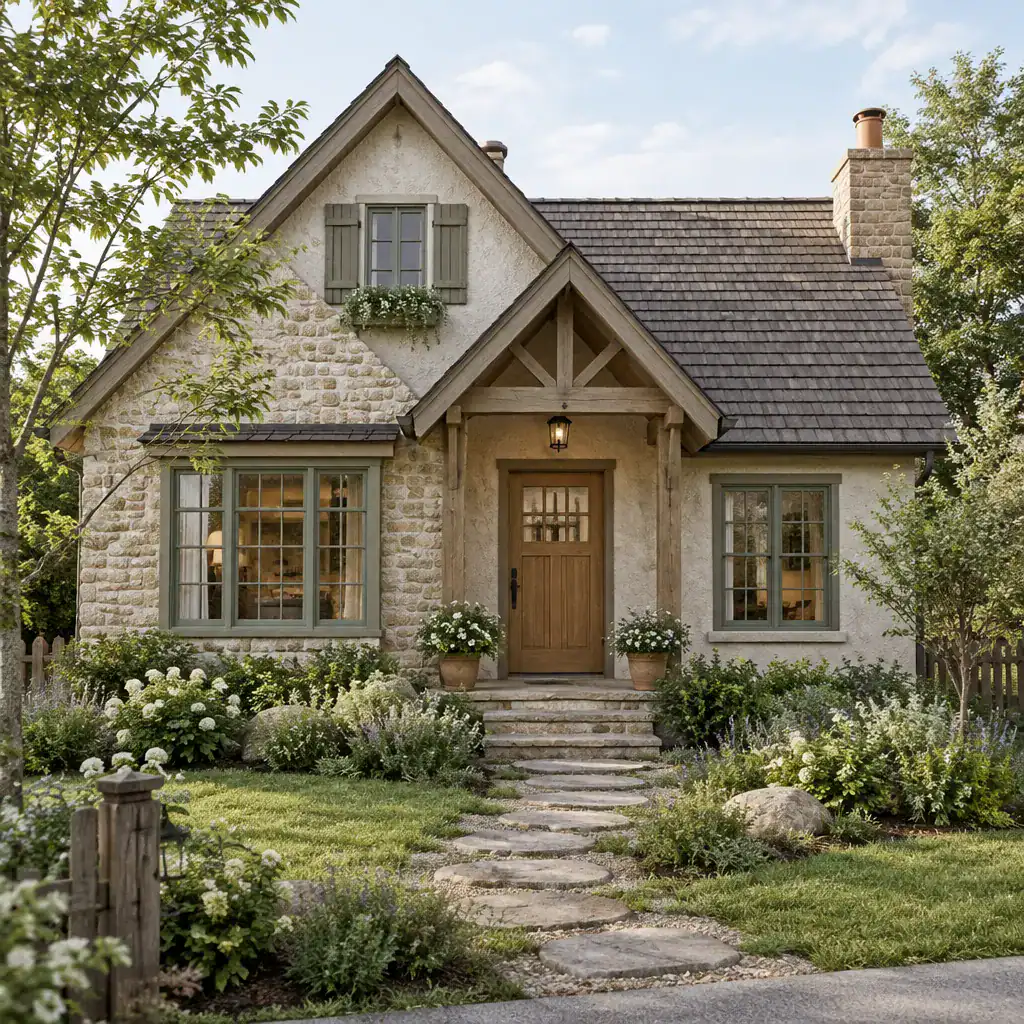
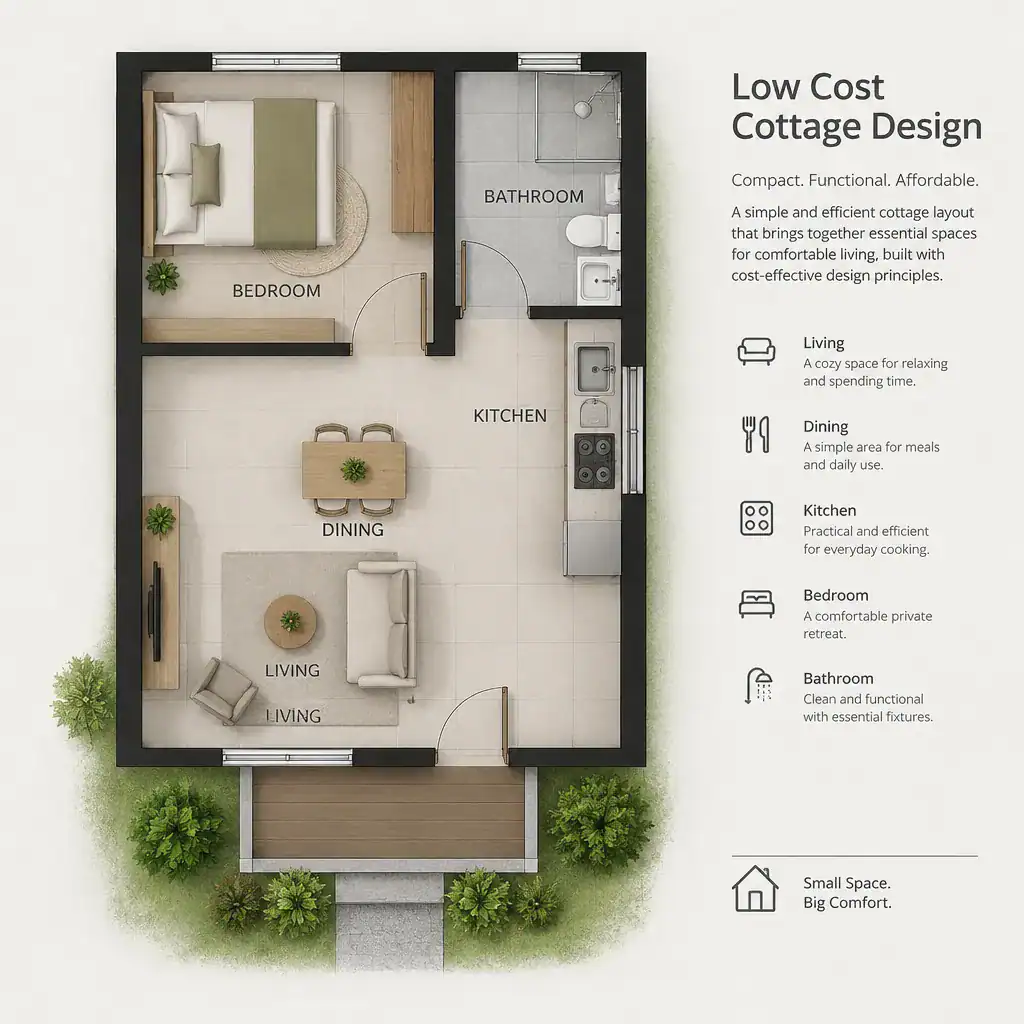
Low-cost cottage design is most effective when each update supports the same overall vision. Before replacing major elements, assess what is already present. Original doors, wood floors, cabinetry, trim, brickwork, and older furnishings may only need cleaning, repair, paint, or refinishing to become useful parts of the cottage character. Reusing and refreshing existing features can produce a more authentic, layered result than replacing everything at once.
Paint coordination is one of the simplest ways to create visual cohesion. Refreshing the front door, trim, porch furniture, interior walls, or a single cabinet can change the mood of a space when the colors relate to one another. Choose a small palette and repeat it with restraint. A few compatible tones, combined with natural textures such as wood, woven fiber, linen, or clay, usually create a stronger cottage effect than many unrelated decorative items.
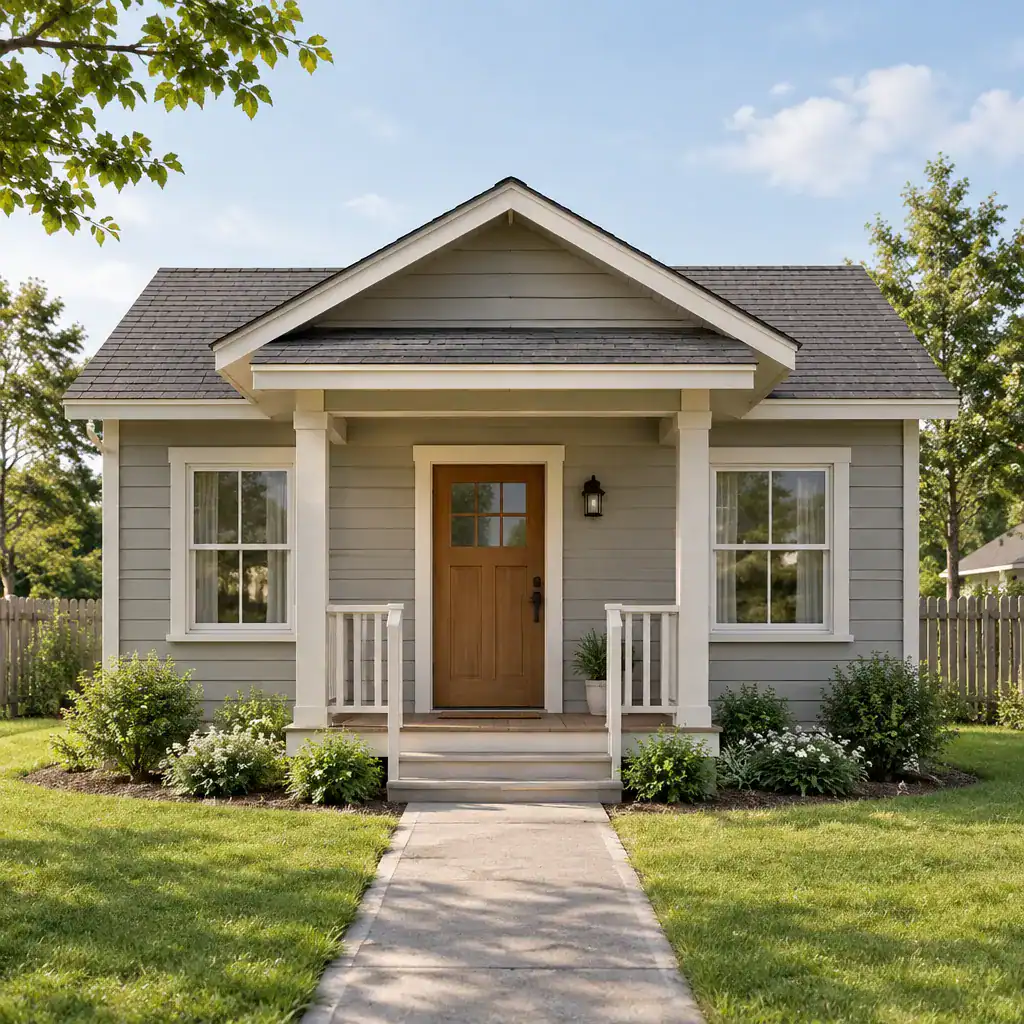
Small entry updates can make a noticeable difference. Consider refreshed house numbers, door hardware, a practical light fixture, simple planters, a clean path, or a seasonal wreath that suits the home’s overall style. Basic planting can also soften the exterior. Focus on plants that work for your local conditions and the amount of maintenance you can realistically provide. A neat border, grouped containers, or a modest mix of flowering and evergreen plants can feel more intentional than an overfilled landscape.
Inside, decluttering is an important and affordable design step. Cottage rooms should feel personal, but they still need visual breathing room. Keep useful objects and meaningful pieces on display, then edit items that no longer support the space. Add warmth through washable textiles, layered rugs, curtain panels, cushions, throws, and lamps rather than relying on numerous small accessories.
Plan improvements according to visibility, function, condition, and compatibility with the existing home. Cosmetic updates such as painting, styling, planting, and changing hardware can often be approached gradually. Changes involving structural work, electrical systems, plumbing, roofing, or other specialized tasks may require professional assessment, permits, or specialist work. Separating these decisions helps you create a realistic plan without treating every improvement as equally urgent.
Budget-conscious design does not mean settling for disconnected updates. It means choosing the visible, useful changes that reinforce your cottage direction and completing them in manageable stages.
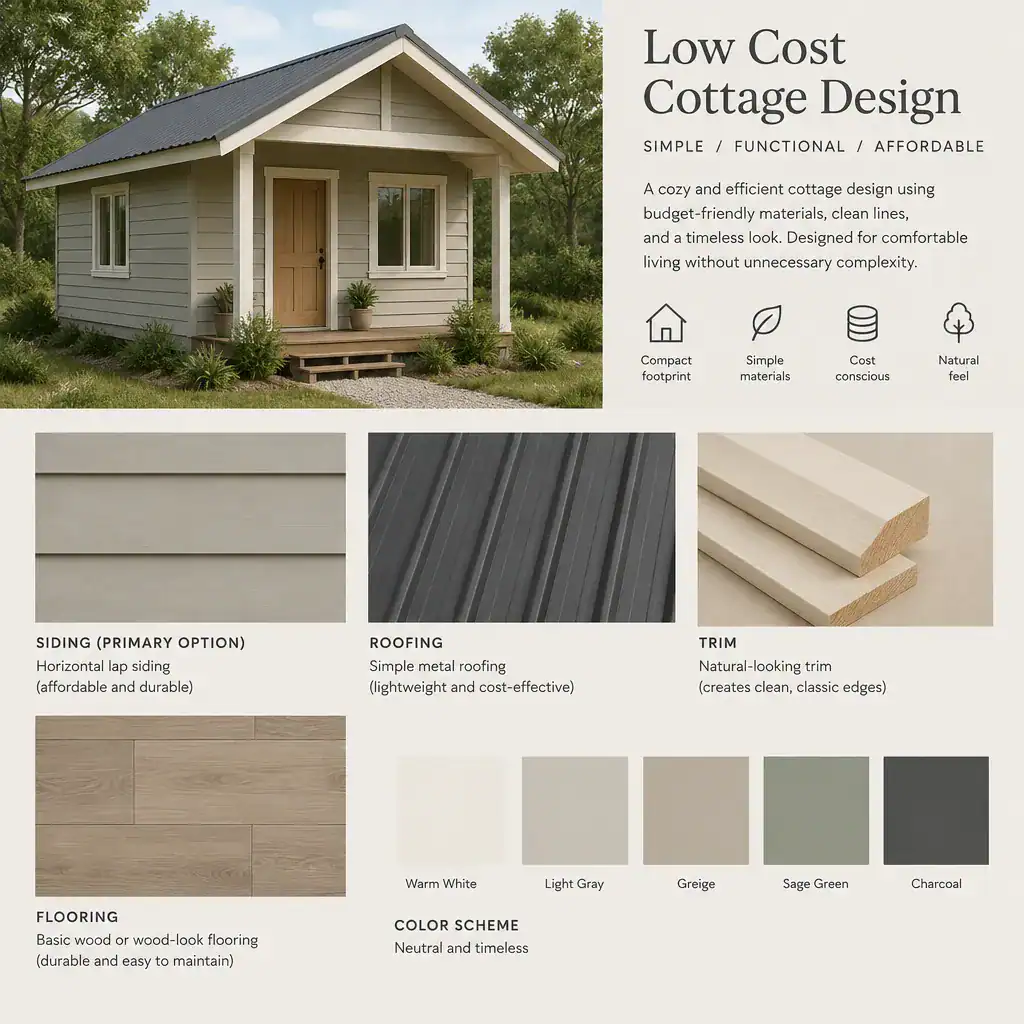
Successful cottage design develops as a connected process. Begin with a coherent character, then carry that direction through the exterior, entry details, interior atmosphere, and surrounding landscape. Select materials, colors, furnishings, and decorative accents that suit the home’s existing architecture, your maintenance capacity, and the way you want to live in the space.
Even modest improvements can feel intentional when they are coordinated. Define your preferred cottage mood, identify the most visible opportunity in your home, and build your improvements gradually around that shared vision.